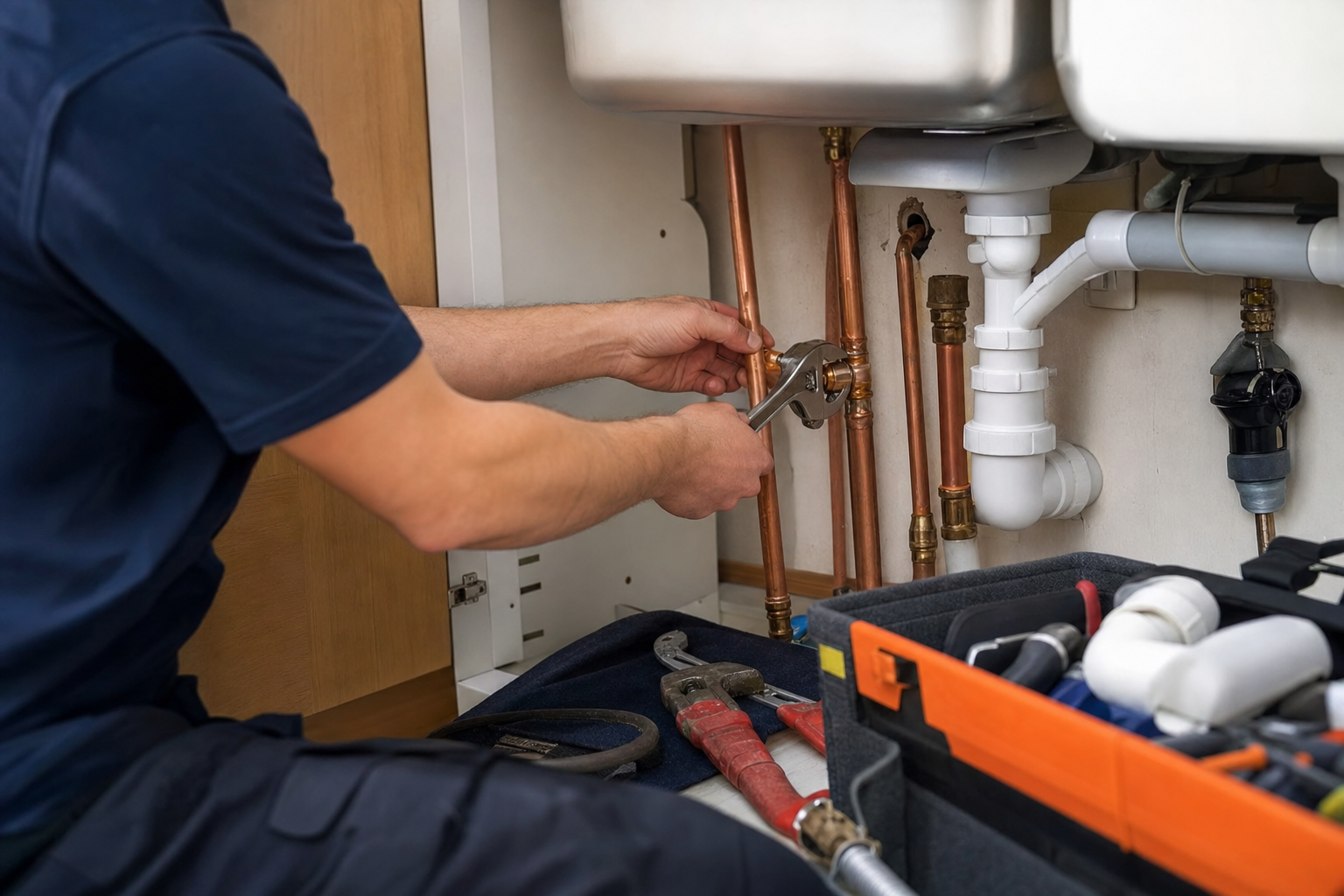
If you need help with water leaks Islington, ThermalTech Engineers provides practical local support for homes, flats and managed properties across Islington and nearby areas including Angel Station, Upper Street, Islington Green, Union Chapel and the Business Design Centre. Water leaks can be obvious, like a ceiling drip or a burst pipe, or hidden behind walls, under floors or inside kitchen units. Either way, they can quickly lead to damp, mould, pressure loss and avoidable damage if they are left unchecked.
We support homeowners, landlords, tenants and property managers with leak detections, water leak repairs, burst pipe repairs, leaking radiator repairs and leaking waste pipe repairs. If you are dealing with a sudden leak or you have noticed the early warning signs of a hidden problem, call 020 3633 5618 or request a visit today.
Our approach is straightforward: identify the source, carry out safe checks, explain what is happening in plain English, and complete the repair needed to get the system working properly again. Recent local work has included a leaking kitchen tap in Clerkenwell, an overflowing WC in Islington, and general water leaks enquiries where the aim was to diagnose the issue safely and advise on the next steps without guesswork.
Common signs of a water leak include unexplained damp patches, ceiling stains, a drop in water pressure, the sound of running water when nothing is being used, mould growth, swollen skirting boards, or a boiler and heating system that keeps losing pressure. In a flat or shared building, the source may be in your own property, in a neighbouring unit, or in communal pipework, so a proper inspection matters before any repair is started.
If there is active water escaping, especially through a ceiling, from a burst pipe, or from a waste pipe under a sink, the first step is to make the area safe. Turn off the relevant water supply if you can do so without risk, move belongings away from the affected area, and avoid using electrical fittings near standing water. If the leak is near a ceiling light, socket or consumer unit, treat it as urgent and wait for professional help before entering the area further.
We work across Islington properties of all types, from older terraced houses and converted flats to busy managed buildings near Upper Street and Angel Station. Access can matter when locating a leak, especially in homes with boxed-in pipework, fitted kitchens, underfloor pipe routes or shared risers. Letting us know about access limitations in advance can help us plan the visit, such as restricted parking, entry via communal halls, basement plant rooms, loft access, or the need to coordinate with a tenant, landlord or building manager.
Below you will find the main leak-related services we provide locally, along with the symptoms, prevention points and emergency signs to watch for.
Leak Detections in Islington
Leak detection is often the most important first step when the source is not obvious. A stain on the ceiling may be showing up in one room while the actual leak is happening elsewhere. Likewise, a pressure drop on a heating system can point to a hidden leak in pipework, a radiator valve, a waste connection or a concealed joint.
In Islington, many leak reports come from properties where the pipework is hidden behind walls, under floors or inside kitchen and bathroom furniture. In those cases, the visible symptom is often only a clue. Typical signs that point to a hidden leak include:
- Persistent damp patches that return after drying
- Ceiling stains or bubbling paint
- Mould around skirting boards, corners or window reveals
- Water meter movement when no taps are running
- Boiler pressure repeatedly dropping
- Musty smells in cupboards, hallways or bathrooms
- Warm spots on floors where heating pipework may be affected
Safe checks should always come before invasive work. That usually means confirming whether the leak is linked to the cold-water supply, hot water, heating circuit or a waste line. In some cases, the issue is as simple as a loose fitting or a worn seal. In others, the leak may be in a concealed pipe section that needs more careful tracing before repair.
Property access is especially important during leak detection. If the suspected route runs through a boxed-in service void, under a fitted bath, behind a kitchen unit, or through a communal area, access restrictions can change the inspection plan. Telling us about locked cupboards, shared spaces or occupied rooms helps avoid delays and unnecessary disturbance.
For landlords and property managers, early detection can reduce damage to finishes and help limit disruption for tenants. For homeowners, it can prevent a small hidden leak from turning into broader damp and repair costs. If you are unsure whether the issue is a plumbing leak, heating leak or waste leak, a proper inspection is the safest starting point.
Water Leak Repairs in Islington
Water leak repairs in Islington can range from straightforward fixes to more involved work, depending on the source and the condition of the pipework or fitting. A leaking tap connection, failed seal, cracked fitting or damaged valve may be repairable without major disruption. Other times, a section of pipe, joint or appliance connection may need replacing to stop the leak properly.
Recent local support has included a loose kitchen tap in Clerkenwell that was leaking around the base. The connections were removed, resealed and tested so the sink could be used normally again. That kind of work shows why a leak should not be assumed to be one problem when the visible symptom may come from a different point in the system.
Water leak repair work may involve:
- Isolating the affected supply safely
- Tracing the visible and hidden source of the leak
- Repairing or replacing damaged fittings, seals or pipe sections
- Checking surrounding pipework for secondary damage
- Testing the repair under normal operating conditions
Leaks inside kitchens and bathrooms often become more obvious after repeated use. A small drip under a sink can soak into cupboards, chipboard and flooring over time. A leak behind a bath panel or shower tray can show up later as damp at the adjacent wall or ceiling below. If the leak has already affected plaster, decoration or flooring, it is sensible to stop the water issue first before arranging any cosmetic repairs.
For properties near Islington Green, the Business Design Centre or busy streets like Upper Street, access and timing can matter because tenants may be at work, visitors may be present, or communal spaces may need coordination. Clear instructions about entry, parking and contact details help the repair run smoothly.
If you have a visible leak, do not wait for it to dry out on its own. Water often travels away from the source, so the wettest area is not always where the problem started. A careful inspection and practical repair are the best way to prevent repeat damage.
Burst Pipe Repairs in Islington
Burst pipe repairs are an emergency because they can release a large amount of water very quickly. A burst pipe may happen in a loft, under a floor, behind a wall, in a kitchen cupboard or in a communal service area. Freezing conditions, corrosion, movement in pipework, poor joints and age-related wear can all contribute to failure.
Emergency signs that suggest a burst pipe include:
- Water pouring or spraying from a pipe or fitting
- Sudden loss of pressure or no water at all
- Rapidly spreading wet floors or ceilings
- Dripping through light fittings or downstairs ceilings
- Visible swelling, cracking or movement around pipework
If you suspect a burst pipe, isolate the water supply if it is safe to do so and avoid using electrical appliances near the affected area. In flats and converted buildings, it may also be necessary to alert neighbours or building management if the pipework is shared or the leak is affecting more than one property.
Once the immediate risk is controlled, the repair focus is on stopping the escape, assessing the damaged section and making sure the system can be tested safely afterwards. Depending on the cause, that may involve replacing a failed pipe section, tightening or renewing a joint, or correcting the connection that has come apart.
Islington properties can present access challenges during burst pipe repairs, especially where pipework is concealed in floor voids, service cupboards or loft spaces. If there are narrow access routes, low ceilings, stored belongings or restricted entry times, it helps to mention that when you call. That way the visit can be planned around the property layout and the likely source of the leak.
After a burst pipe repair, it is sensible to monitor the area for any renewed dampness, pressure changes or staining. If the leak has caused damage to decorations or flooring, the first priority is to make the plumbing safe and watertight before any reinstatement work is considered.
Leaking Radiator Repairs in Islington
Leaking radiator repairs are common during the heating season, but they can happen at any time of year. A radiator leak may show up as a puddle beneath the unit, corrosion around a valve, damp on the wall behind the radiator, or a boiler system that keeps losing pressure. In many homes, these leaks are first noticed when a room feels colder than expected or when the heating needs frequent topping up.
Typical causes include worn valve seals, loose connections, corrosion around the radiator body, failed bleed points or movement in the pipework feeding the radiator. In some cases, the leak is small and only appears when the heating is on and the system is under pressure. That means a radiator can look dry at one point in the day and leak later when the system heats up.
Practical checks include looking for staining on paintwork, rust marks, moisture at the valve ends and pressure loss on the boiler. If the leak is active, the radiator may need isolating before the area can be tested properly. Once the source is confirmed, the repair can be targeted rather than replacing parts unnecessarily.
We also support heating-related property concerns where a leak is affecting system performance. If a radiator leak has caused pressure loss, air in the system or uneven heating, it may be worth checking the wider heating circuit after the repair. Related services such as central heating and boiler repairs may be relevant if the leak has affected system operation.
For landlords and property managers, radiator leaks can become a recurring issue if the underlying cause is not addressed. For tenants, it is important to report the symptom early rather than waiting for the floor or carpet to become damaged. In Islington flats and maisonettes, access to the radiator, valves and pipe route can be limited by furniture or built-in units, so letting us know in advance helps with planning.
Leaking Waste Pipe Repairs in Islington
Leaking waste pipe repairs are often needed where a sink, bath, shower, basin or appliance discharge pipe is loose, cracked or poorly sealed. Waste leaks can be deceptive because they may only appear when the fixture is used, which means the area can seem dry at other times. A small leak under a sink can quickly damage cupboards, flooring and nearby walls if it is not repaired.
Common waste pipe symptoms include:
- Drips under sinks or behind appliances
- Water stains inside cupboards
- Odours from trapped waste water
- Leakage when the bath, basin or washing machine is emptied
- Loose or misaligned pipe joints
One recent local example involved an overflowing WC in Islington where the faulty fill valve was replaced and the cistern was tested through several flush cycles. That kind of repair shows the importance of checking the full system, not just the visible water trail, because a waste or overflow issue can create repeated leaks if the component fault is not corrected.
Waste pipe work often needs careful attention to seals, gradients, joints and the way the pipe is supported. If a waste runs through a cabinet, boxed-in section or shared service area, access notes are important. In some properties, the pipe may be hidden behind kitchen furniture, fitted bathroom panels or appliance units, so it helps to describe the layout when requesting help.
For blocked drains, slow drainage or repeated overflow issues, a waste leak can be part of a wider drainage problem. If you notice gurgling, slow emptying or recurring smells as well as leakage, mention that when you call so the inspection can focus on the full fault rather than only the visible drip.
Preventing waste leaks is often about maintenance and early attention. Avoid forcing fittings, keep an eye on seals and joints, and report small drips before they become bigger repairs. In busy homes and managed properties across Islington, early action is usually the most cost-effective approach.
ThermalTech Engineers provides local, practical support for water leaks across Islington and nearby locations. If you have a hidden leak, burst pipe, leaking radiator or leaking waste pipe, call 020 3633 5618 or email info@emergency-plumbers-islington.co.uk. We can help assess the problem, carry out the necessary repair and provide clear advice on what to do next.
For properties with access restrictions, please mention any relevant details when you contact us, such as limited parking, entry codes, shared hallways, loft access, basement areas, or whether the leak is in a tenant-occupied flat or a managed block. This helps make the visit more efficient and reduces avoidable delays.
If your issue is urgent, especially where water is actively escaping or damage is spreading, do not wait. Call 020 3633 5618 now for water leak help in Islington.